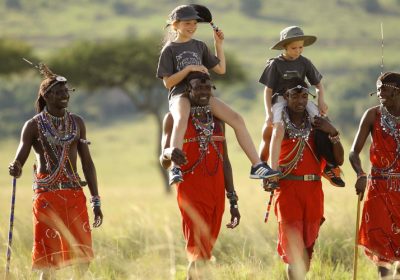
The Samburu Desert lies north of the equator, in Samburu County, bordered by Laikipia, Isiolo, Marsabit, and Turkana counties. The region is characterized by semi-arid to arid conditions, with scattered acacia trees, rugged hills, and open plains.
Despite being called a “desert,” Samburu is better described as semi-desert because it still supports wildlife and vegetation along its river systems — particularly the Ewaso Ng’iro River, which flows through the region. This river acts as the lifeline of the desert, attracting both wildlife and people, especially during dry seasons.
The climate is typically hot and dry for most of the year, with temperatures often exceeding 30°C (86°F) during the day. Rainfall is infrequent and erratic, usually arriving in two short rainy seasons: March–May and October–December. However, even these rains are unpredictable, and prolonged droughts are common, shaping the lifestyles of both animals and humans in the region.
The Samburu People: Guardians of Tradition
At the heart of the Samburu Desert are the Samburu people, a proud and resilient Nilotic ethnic group closely related to the Maasai. They are semi-nomadic pastoralists who depend on livestock — particularly cattle, camels, sheep, and goats — for survival.
Their culture, deeply rooted in tradition, emphasizes community, bravery, and harmony with nature. The Samburu people wear brightly colored shukas (cloth wraps), intricate beadwork, and distinctive jewelry, symbolizing beauty, status, and identity.
Culture and Social Structure
The Samburu community operates within a strict age-set system, where men and women have defined roles and responsibilities. Warriors, known as morans, are trained from a young age to protect the community and livestock. Women are responsible for building houses, fetching water, and caring for children.
Rituals, songs, and dances are central to Samburu life. Ceremonies such as initiation rites, marriages, and blessings are performed with great cultural significance. Despite modernization, the Samburu people have managed to preserve their traditions, making them one of Kenya’s most authentic cultural groups.
Livelihood and Adaptation
Survival in the Samburu Desert is no easy feat. The community has developed ingenious ways to adapt to the harsh environment. Livestock is their primary source of food and wealth, providing milk, meat, and hides. In recent years, some Samburu have diversified into eco-tourism, handicraft trade, and beadwork sales — offering visitors a glimpse into their vibrant way of life.
Wildlife of the Samburu Desert
Though it may seem barren at first glance, the Samburu Desert teems with life. The region is home to some of Kenya’s most unique and rare species, many of which are found only in the northern semi-arid ecosystems.
The “Samburu Special Five”
Wildlife enthusiasts visiting the Samburu National Reserve can witness the famous “Samburu Special Five”, which include:
Grevy’s Zebra – The largest and most endangered zebra species, with narrow stripes and a white belly.
Somali Ostrich – Recognizable by its blue legs and neck, unlike the common ostrich’s pink hue.
Reticulated Giraffe – Noted for its intricate net-like pattern of white lines across its coat.
Beisa Oryx – A majestic antelope adapted to dry conditions, with long straight horns.
Gerenuk – Also called the “giraffe gazelle,” it feeds while standing upright on its hind legs.
These species thrive in the arid environment, making Samburu one of Kenya’s most distinctive safari destinations.
Other Wildlife
Beyond the special five, the Samburu ecosystem supports elephants, lions, leopards, cheetahs, hyenas, and African wild dogs. The Ewaso Ng’iro River attracts large herds of elephants that come to drink and bathe, offering spectacular sightings.
Birdlife is equally abundant, with over 450 bird species recorded, including the vulturine guineafowl, martial eagle, and superb starling.
The Samburu National Reserve
At the core of the Samburu Desert experience is the Samburu National Reserve, one of Kenya’s most breathtaking wildlife sanctuaries. Established in 1985, the reserve covers about 165 square kilometers, and is situated along the Ewaso Ng’iro River.
The landscape features rocky escarpments, palm groves, acacia woodlands, and open savannah, all set against the dramatic backdrop of the Koitogor and Ololokwe Hills.
Safari Experience
Samburu offers a quieter, more intimate safari experience compared to the crowded southern parks. Visitors can enjoy:
Game Drives: Morning and evening drives offer sightings of the “special five” and big cats.
Guided Nature Walks: Explore the desert on foot with local guides who share indigenous knowledge.
Cultural Visits: Meet the Samburu people in nearby villages, experience their dances, and buy handmade beadwork.
Camel Safaris: A unique way to explore the arid plains, led by Samburu warriors.
Accommodation
The reserve offers a range of lodges and camps, from luxury tented camps like Sasaab Lodge, Samburu Intrepids, and Elephant Bedroom Camp, to budget-friendly options that provide comfort amidst the wild.
Tourism and Conservation in the Samburu Desert
Tourism plays a significant role in the Samburu region’s economy. Eco-tourism initiatives have helped conserve the environment while empowering local communities.
Conservation Efforts
The Samburu National Reserve, along with neighboring conservancies such as Buffalo Springs and Shaba, forms part of a broader conservation area aimed at protecting biodiversity and supporting sustainable tourism.
Organizations like the Save the Elephants Foundation operate in Samburu, conducting research and protecting elephant populations. Community conservancies, such as the Westgate Community Conservancy, work hand-in-hand with locals to manage natural resources responsibly.
Challenges
Despite these efforts, the region faces challenges such as climate change, poaching, and resource conflicts. Prolonged droughts have strained water sources, forcing both wildlife and pastoralists to compete for limited resources. However, continued collaboration between the government, NGOs, and local communities offers hope for a sustainable future.
Traveling to Samburu Desert
Reaching Samburu from Nairobi takes about six to seven hours by road, covering roughly 350 kilometers via Nanyuki and Isiolo. The drive offers scenic views of Mount Kenya, lush highlands, and the transition into arid lowlands. Alternatively, travelers can take a domestic flight from Nairobi’s Wilson Airport to the Samburu airstrip, which takes about one hour.
Once in the region, 4×4 vehicles are essential due to the rough terrain. Safari guides and tour operators in Nairobi and Nanyuki offer organized trips that include accommodation, game drives, and cultural experiences.
Why Visit the Samburu Desert
Authentic Wilderness – Unlike mainstream parks, Samburu offers raw, unspoiled beauty.
Cultural Richness – The Samburu people provide one of the most immersive cultural experiences in Kenya.
Unique Wildlife – The “Samburu Special Five” are rare treasures for wildlife enthusiasts.
Photographic Paradise – The golden hues, red soil, and vast horizons create perfect photo opportunities.
Peaceful Safaris – Fewer crowds mean more intimate encounters with nature.
The Future of the Samburu Desert
The future of the Samburu Desert depends on balancing conservation, culture, and development. As Kenya continues to promote sustainable tourism, the Samburu region stands as a model of how communities and nature can coexist.
Local empowerment, climate adaptation strategies, and eco-friendly tourism practices are vital to ensure that future generations can experience the same magic that captivates today’s visitors.
Conclusion
The Samburu Desert is not merely a destination; it’s a journey into the soul of northern Kenya — where nature meets culture, and where resilience defines beauty. From the proud Samburu warriors and their vibrant traditions to the roaming elephants along the Ewaso Ng’iro, this desert tells stories of endurance and harmony.
For travelers seeking authenticity, adventure, and tranquility, Samburu offers an experience like no other. It’s a reminder that even in the driest lands, life finds a way to flourish — strong, graceful, and timeless.