Introduction
The Chalbi Desert is one of Kenya’s most striking landscapes: remote, vast, harsh yet beautiful. Located in northern Kenya near the Ethiopian border, east of Lake Turkana, the desert is an ancient basin with salt flats, hardened clay, lava hills, oases, and scattered life that has adapted to extreme conditions. It is also Kenya’s largest truly arid desert, often regarded as the only “real” desert in the country.
Maasai Mara National Reserve
In the local Gabbra language, Chalbi means “bare, salty area,” which captures the essence of this landscape well.
Laba Africa Expeditions
Geography and Geology
Location & Size: The Chalbi Desert lies in Marsabit County. It stretches roughly 110 km in length, and between 10 to 20 km in width in parts, though its broader basin (Chalbi Basin / flat) covers over 100,000 square kilometres in total when looked at as a geologic-arid region.
Maasai Mara National Reserve
Terrain: Much of the desert is flat, composed of dried lake beds, mud flats, salt pans, and hardened clay. There are also volcanic lava flows and hills (lava plateaus), in places where volcanic activity left remnant hills, providing relief in the otherwise flat landscape.
Maasai Mara National Reserve
Laba Africa Expeditions
Ancient Lakebed: Around 10,000 to 11,000 years ago, Chalbi was a shallow lake or swamp; over time it dried, leaving behind wet sediment and fossils of aquatic animals like the Nile perch, as well as salt and clay deposits. The lacustrine (lake) history is preserved in sediment beds, fossil remains, and chemical mineral deposits such as eugsterite.
Wikipedia
Ben-Gurion University Research Portal
Priority Wild Safaris
Elevation & Drainage: The basin lies between about 435 and 500 meters above sea level, separated from Lake Turkana by a ridge. There are no permanent rivers; drainage is seasonal. When rains come (which is infrequent), water may flow into depressions, forming temporary shallow lakes or swamps before evaporating.
Priority Wild Safaris
Laikipa
Maasai Mara National Reserve
Climate
Rainfall: Very erratic and low. Mean annual rainfall is about 150 mm, sometimes up to 350 mm in some years/areas. But some years see almost no rain (e.g., 1973 with ~7 mm).
Priority Wild Safaris
Evaporation: Extremely high. Potential evaporation far exceeds rainfall (over 2,600 mm in many estimates), which contributes to dryness of the soil, salt accumulation, and scant vegetation.
Temperatures: Daily highs can exceed 36-40°C (especially in hotter months like February). Nights can drop significantly, especially during cooler months (e.g. July). In general it is a desert climate with high diurnal (day-night) temperature swings.
Maasai Mara National Reserve
Breaking Kenya News
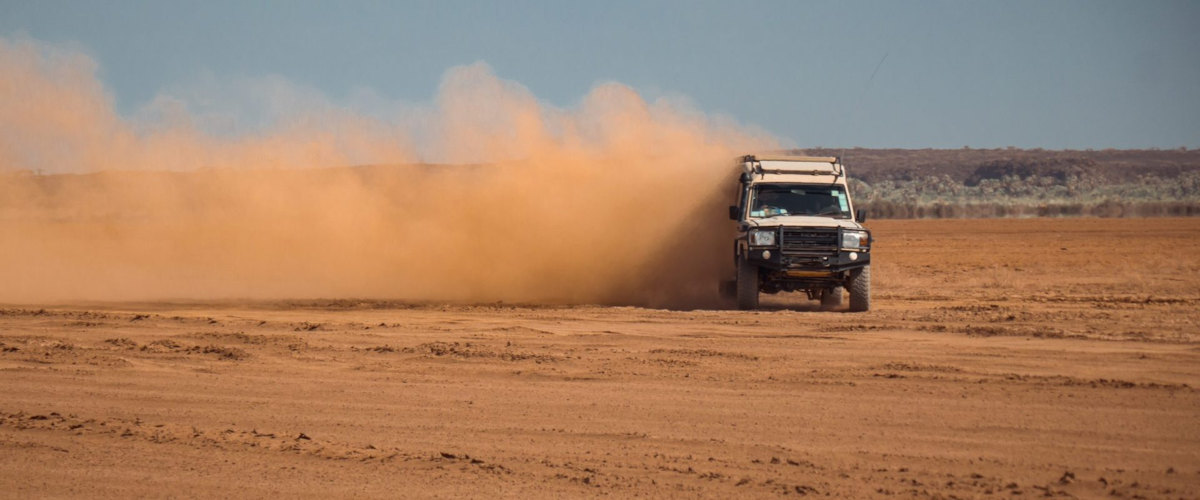
Winds and Sandstorms: The desert is subject to strong winds—there are many days each year when winds exceed ~50 km/h. These winds stir up dust and sandstorms.
Wikipedia
Flora and Fauna
Despite being extremely arid, Chalbi supports life—both plants and animals—though sparsely.
Flora: Because of saline soils and dryness, vegetation is patchy and limited. Around drainage tributaries and springs, you may find hardy species like Salvadora persica, Acacia tortilis, Cordia sinensis. Annual plants sprout after rains (grasses like Aristida adscensionis, A. mutabilis). On the former lake bed and edges, there are salt-tolerant plants such as Lagenantha nogalensis.
Laba Africa Expeditions
Fauna: Animal diversity is limited but includes remarkable species adapted to harsh conditions:
Large herbivores: oryx, elephants, reticulated giraffe, Grevy’s zebra.
Priority Wild Safaris
Birds: Somali ostrich, sandgrouse, migratory waterfowl when temporary lakes form.
Laba Africa Expeditions
Predators: African lions are present in the area; black rhinos used to live there but were extirpated (hunted to extinction).
Oases and Springs: On the edges, springs and oases provide vital water sources. These areas support more vegetation and attract both wildlife and livestock. They are also important for the pastoralist communities in the region.
Laba Africa Expeditions
Human Inhabitants & Pastoralism
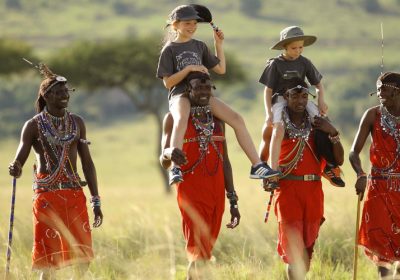
Communities: The Gabbra are the primary inhabitants of the Chalbi Desert region. Also present are the Rendille, Dasanech, and Turkana people. These are mostly nomadic or semi-nomadic pastoralist societies who herd camels, goats, cattle. They depend on limited water sources and grazing areas.
Livelihood and Culture: Life in Chalbi is tough. Pastoralists move with herds in search of water and vegetation. Cultural practices are adapted to desert living. Social structures, mobility, and resource sharing—especially water and grazing land—are critical. The Gabbra, for example, have traditions, rituals, and knowledge aligned to the desert environment.
African Spice Safaris
Challenges for people:
Scarcity of water and pasture, especially in dry years.
Extreme heat, strong winds, sandstorms.
Isolation and remoteness—many places have poor road access.
Vulnerability to climate change: increasing desertification and expansion of the arid areas.
Breaking Kenya News
Environmental Issues & Concerns
Desertification: There are fears that Chalbi is expanding, or that surrounding vegetation is being destroyed, accelerating desert conditions. This threatens livelihoods and arable lands in neighboring areas.
Breaking Kenya News
Reduced vegetation cover: Over grazing, removal of vegetation (for fuel or construction) by local communities can exacerbate soil exposure and erosion.
Breaking Kenya News
Climate variability: Unpredictable rainfall patterns; some years with almost no rain. This makes planning difficult for pastoralists and any attempts at agriculture.
Tour Travel World
Access and infrastructure: Remoteness means few services, challenging access—roads often are rough, 4×4 vehicles or air travel needed.
Tour Travel World
Opportunities & Ecotourism
Despite the challenges, Chalbi holds potential for ecotourism, research, and sustainable development.
Tourism: The desert’s remote landscapes, dramatic vistas, starry skies, oases, and the cultural experience of pastoralist life are becoming attractions. Tourists seeking off-beat, adventurous travel are increasingly drawn to Chalbi.
Laba Africa Expeditions
AfricanMecca Safari
Community-based Initiatives: Camps like Kalacha Camp run by Gabbra community groups provide lodging, cultural experiences, bird-watching, interacting with locals, traditional dances. These help bring income to local people.
African Spice Safaris
Scientific & Geological Research: The fossil beds, ancient lake sediments, and salt minerals like eugsterite make Chalbi a valuable site for climate history, geology, and paleontology.
Ben-Gurion University Research Portal
Renewable Energy: Strong winds in parts of Chalbi have been considered for wind power generation. Salt extraction and potential agriculture in irrigated zones are looked at as possible sustainable development options.
Breaking Kenya News
Best Time to Visit & Travel Tips
When to visit: The dry seasons (roughly from July-October and January-February) are more favorable due to cooler temperatures, less risk of mud or flooding, clearer skies.
Laba Africa Expeditions
Tour Travel World
Avoid rainy season: From March to May heavy rains can make roads impassable, ground becomes sticky, temporary lakes form, which can be beautiful but make travel difficult.
Tour Travel World
Access: From Nairobi, the journey takes many hours by road (often ~12+ hours depending on route and vehicle), passing through Isiolo, Moyale, Marsabit. A 4×4 vehicle is strongly recommended. There are also flights to Marsabit, then local transport.
Tour Travel World
What to bring: Sun protection (hat, sunscreen), plenty of water, light yet protective clothing, sturdy footwear, navigation tools or guides, camping gear if staying in remote camps. Be prepared for temperature swings between day and night.
Ethical travel: Respect local communities (Gabbra etc.), avoid disturbing wildlife, follow guidance of local guides, support community-owned camps, minimize environmental impact.
Cultural Significance
Pastoralist Culture: The Gabbra and other tribes in the area have developed deep knowledge of the desert: water points, grazing routes, seasonal movements. Their culture, songs, stories, and livelihoods are shaped by living in this harsh environment.
Laba Africa Expeditions
Salt pans & mineral use: The salt and minerals in Chalbi are more than landscape features—they have uses for livestock as salt licks, and community trade. Some minerals are of geological interest.
Wikipedia
Conservation & Sustainability
To ensure Chalbi remains viable both ecologically and for its human inhabitants, several strategies are important:
Controlled grazing practices to avoid overgrazing and preserve vegetation cover.
Desert reclamation efforts: planting trees, preserving native shrubs, preventing land degradation.
Breaking Kenya News
Water management: protecting springs, ensuring sustainable use of oases, capturing seasonal runoff.
Infrastructure planning: building roads and camps that minimize environmental damage, ensuring access does not scar the land.
Empowering local communities: Ensuring tourism benefits local people, giving them roles in guiding, lodging, cultural performance etc.
Challenges
Harsh Environment: Heat, strong sun, abrasive ground, sandstorms are difficult for both people and infrastructure.
Isolation: Lack of readily available services (medical, food, fuel) in many areas.
Climate Change: Increasing variability in rainfall, rising temperatures could worsen desertification.
Economic Marginalization: Historically the northern frontier of Kenya (where Chalbi is) has been less developed in terms of public investment. Locals often have fewer resources.
Breaking Kenya News
Conclusion
The Chalbi Desert is a landscape of extremes: extreme heat, dryness, salt, wind—but also of stark beauty, resilience, cultural depth, and potential. It holds stories of ancient lakes, of wildlife that endures, and of people whose lives and traditions have evolved with the land.
For Kenya, Chalbi provides scientific, tourism, and cultural opportunities. For visitors, it offers a journey into remoteness—stunning vistas, star-filled skies, interaction with pastoralist traditions, a glimpse at ecosystems living at the edge.
With careful conservation, sustainable tourism, and community involvement, Chalbi can continue to be both a symbol of Kenya’s wild frontier and a resource: for research, for livelihoods, and for that rare kind of awe that only true deserts can inspire.